01
Institutional Dialogue
Structured dialogue among organizations, stakeholders, and institutional interlocutors to harmonize long-term development agendas.
Governance
Private Diplomacy. Strategic Negotiation. International Cooperation. International relations are part of the institutional origins of Ninomiya Group. Coordinated by Ninomiya Theodoro Law Group, we connect diplomatic engagement, strategic negotiation, international trade, and social development within an integrated institutional perspective.

International engagement is not a recent extension of Ninomiya Group; it is part of its original institutional vocation. From its foundations in legal intelligence, business strategy, private diplomacy, and institutional engagement, the Group developed an approach oriented toward connecting organizations, navigating complex environments, and structuring relationships across borders.
Today, this vocation is expressed through an integrated institutional framework coordinated by Ninomiya Theodoro Law Group, orchestrating multilateral governance and transnational synergy.
“International relations are part of our institutional DNA.”

Private diplomacy represents a structured approach to dialogue, relationship-building, and institutional engagement beyond conventional commercial interactions, creating conditions for legitimate relationships, mutual understanding, and long-term cooperation.
Structured dialogue among organizations, stakeholders, and institutional interlocutors to harmonize long-term development agendas.
Deep comprehension of sovereign and regulatory environments, curating high-trust bilateral pathways across distinct jurisdictions.
Connecting complementary interests and fostering constructive collaboration that endures beyond short-term transactional cycles.
Through Ninomiya Theodoro Law Group, our international practice incorporates negotiation and mediation frameworks informed by the methodology of the Harvard Negotiation Program—emphasizing preparation, core interests, objective criteria, and durable agreements rather than positional confrontation.
Comprehensive institutional mapping, information symmetry, and scenario architecture prior to multilateral engagement.
Moving beyond rigid postures to identify foundational interests, priorities, and institutional requirements of all parties.
Anchoring consensus on recognized international standards, empirical market data, and legal precedents.
Structuring durable institutional covenants designed to withstand political transitions and macroeconomic shifts.
“Beyond positions. Understanding interests. Structuring agreements.”
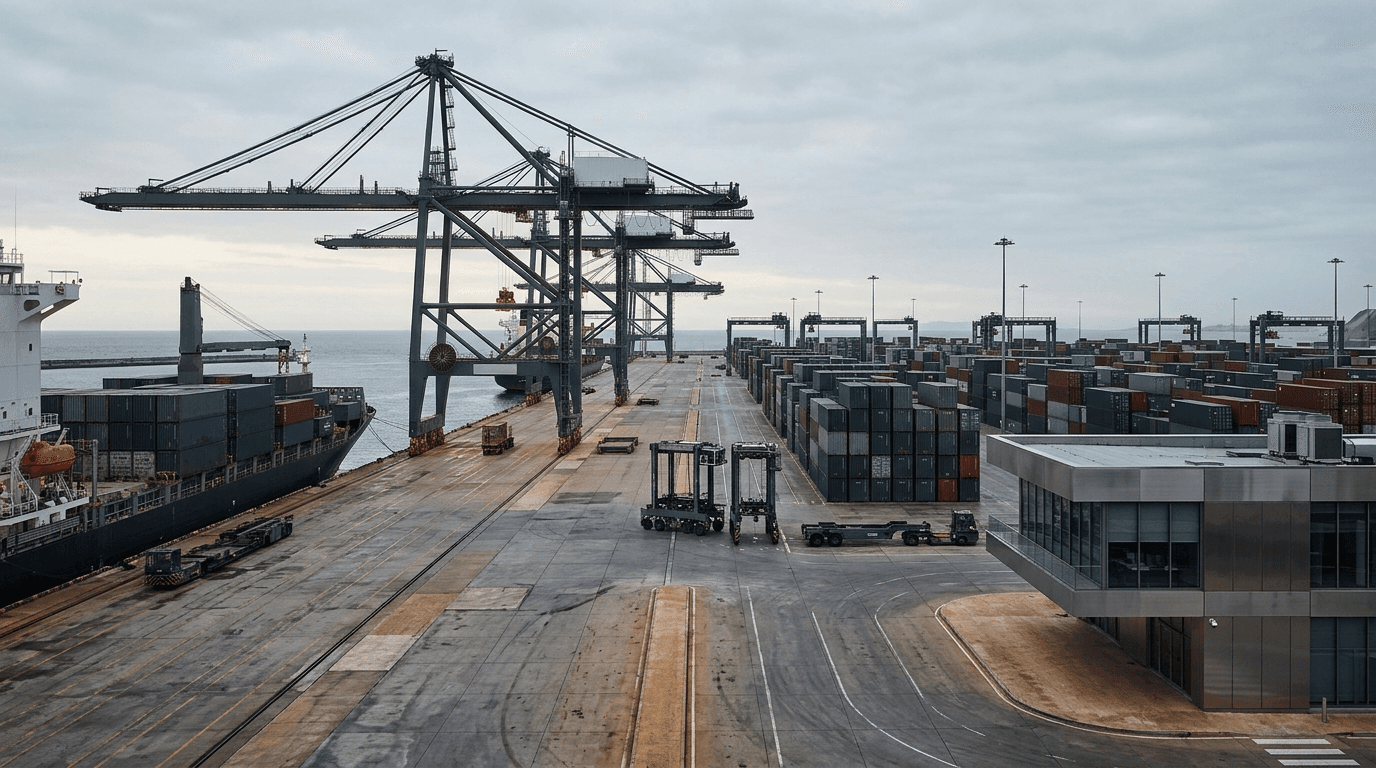
International business development is supported by the Trade Division of Ninomiya Group, articulating commercial intelligence, international relationships, and foreign trade capabilities to connect qualified market participants across jurisdictions.
Integrated with the strategic perspective of Ninomiya Theodoro Law Group, Trade supports structured commercial relationships and cross-border operations in agribusiness, mining and metals, and carbon credit initiatives.
Through the Social Business Division and Ninomiya Instituto, Ninomiya Group connects international institutional cooperation with human and social development initiatives inspired by Houtoku and aligned with the United Nations Sustainable Development Goals.
Strengthening institutional dignity, leadership autonomy, and local organizational capabilities.
Self-sustaining, impact-oriented models reinvesting surpluses into social purpose.
Programmatic coherence guided by the United Nations Sustainable Development Goals.
Under the coordination of Ninomiya Theodoro Law Group (Coordinating Nucleus), the international front connects four complementary pillars within the integrated Corporate Business Ecosystem of Ninomiya Group.
Strategic negotiation and bilateral institutional dialogue coordinated by Ninomiya Theodoro Law Group.
Foreign trade, market intelligence, and cross-border commercial intermediation.
Human development and sustainable operational models across borders.
Transnational social initiatives aligned with the United Nations Sustainable Development Goals.
“Connecting institutions. Structuring relationships. Creating possibilities for cooperation.”
International engagement requires more than market access. It demands institutional understanding, strategic dialogue, qualified relationships, and the capacity to bridge distinct cultural and regulatory perspectives.
Operating from its Latin American core in Goiânia, Goiás, Brazil, Ninomiya Group connects bilateral corridors linking Mercosur, East Asia, and European regulatory frameworks.
For institutional, commercial, and international contexts calling for strategic understanding, qualified dialogue, and structured relationships, Ninomiya Group welcomes institutional conversations aligned with its areas of activity.